



The GX9653 analog-to-digital converter replaces the AD9653 for high-speed imaging in magnetic resonance MRI.
Time:2025-06-17
Views:1137
Magnetic resonance imaging (MRI) is a cutting-edge imaging diagnostic technology in modern medicine, capable of generating high-resolution images of internal tissues and organs without the use of ionizing radiation. In MRI systems, high-speed imaging technology is crucial for improving examination efficiency, reducing patient discomfort, and capturing dynamic physiological processes. The performance of the analog-to-digital converter directly determines the quality and effectiveness of high-speed MRI imaging. In MRI systems, signal acquisition faces three core challenges:
1. Ultra-high dynamic range to resolve weak bioelectric signals
2. Ultra-low noise performance to improve image signal-to-noise ratio
3. Multi-channel synchronous sampling to ensure spatial resolution
Traditional solutions often use ADI‘s AD9653, but GXSC‘s GX9653 four-channel 16-bit 125MSPS ADC, with its wide dynamic range and noise optimization technology, can directly replace the AD9653 on a pin-to-pin basis. By adopting GXSC‘s replacement solution, MRI equipment manufacturers can access more convenient and efficient localized technical support and services. GXSC can provide customized technical solutions tailored to the specific needs of MRI equipment manufacturers, quickly addressing and resolving issues encountered during product application. The GXSC ADC GX9653 features a high-performance sampling and holding circuit and an on-chip reference voltage source, operates on a 1.8V power supply, and supports sampling clock compatibility with LVPECL-/CMOS-/LVDS. The data clock output operates at frequencies up to 500MHz and supports DDR.
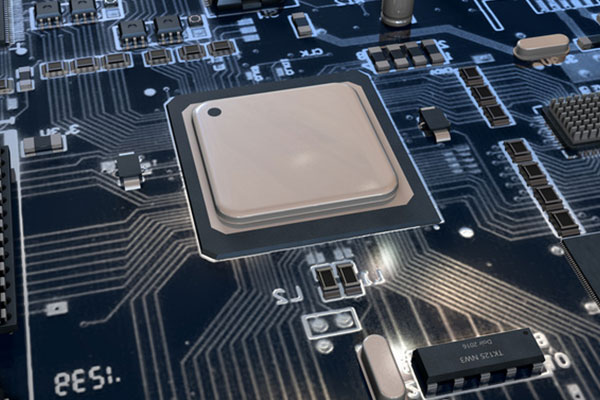
This product adopts a multi-stage differential pipeline architecture with built-in output error correction logic, achieving 16-bit precision at a data rate of 125MSPS and ensuring no missing codes across the entire operating temperature range. The ADC incorporates various functional features designed to maximize device flexibility and reduce system costs, such as generating programmable digital test codes. Available digital test codes include built-in fixed codes and pseudo-random codes, as well as user-defined test codes input via the serial port interface (SPI).
To accommodate LVDS serial data rates, the device automatically multiplies the sampling clock frequency. The device provides a data clock output (DCO) for capturing data on the output and a frame clock output (FCO) for signaling the start of a new output byte.
Summary: Under high-resolution imaging requirements, the GX9653‘s 16-bit resolution provides the same level of detail as the AD9653, while its excellent wide dynamic range and low noise characteristics further enhance image quality. As a GXSC device, the GX9653 offers a significant cost advantage. Compared to the AD9653, its procurement cost is lower, which can effectively reduce production costs for MRI equipment manufacturers and enhance the market competitiveness of their products.

 mail
mail